Fence Permits in Coopersburg Borough, PA: Heights, Corner Lots, and How to Apply
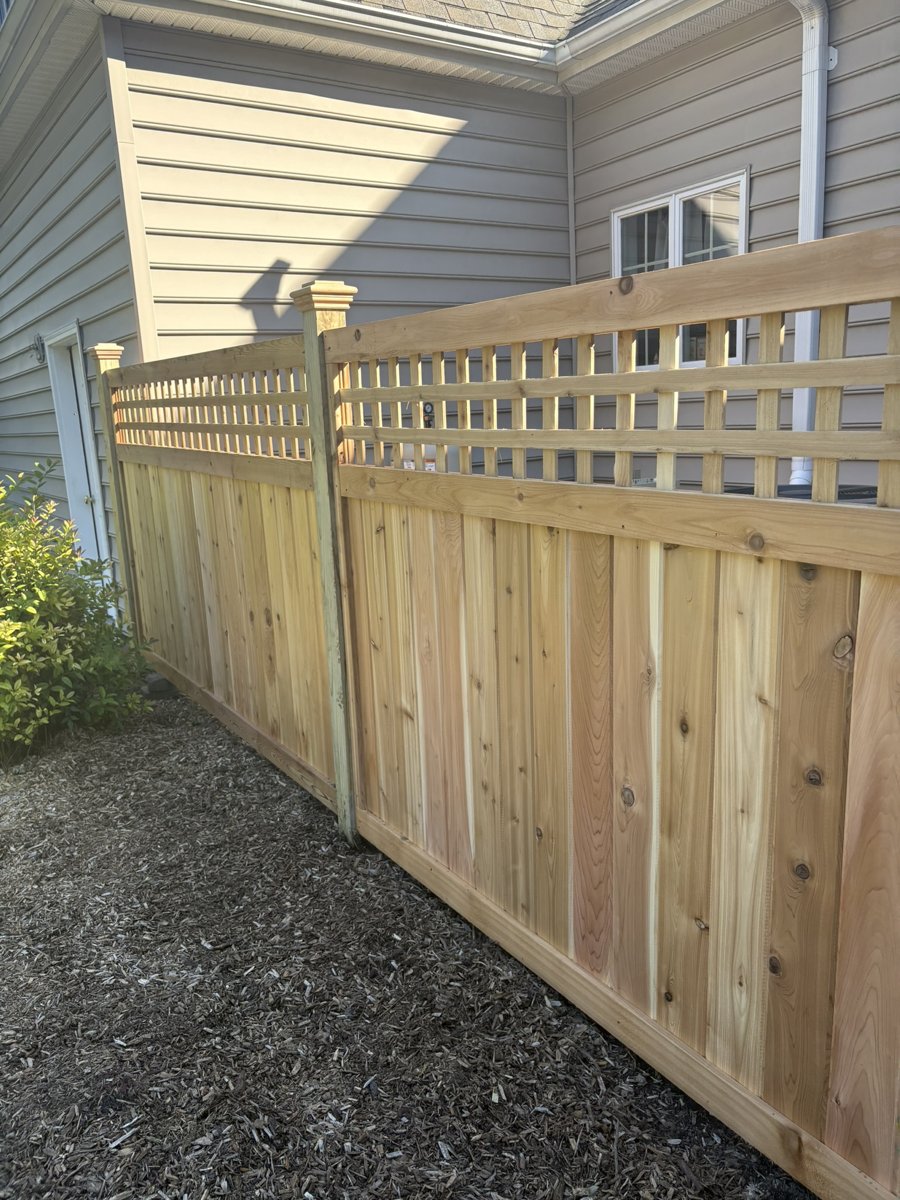
Planning a new fence in Coopersburg and not sure what the Borough requires? This guide covers what homeowners should know about a Coopersburg fence permit: when you need one, how tall your fence can be, corner lots, setbacks, pools, and how to apply. Ordinances change, so confirm current rules with the Borough before you dig.
First: are you actually in Coopersburg Borough?
A Coopersburg mailing address doesn’t mean you live in the Borough. Many homes with a Coopersburg or Center Valley address are in Upper Saucon Township, which has its own zoning ordinance, permit office, and fence rules. Everything below applies to Coopersburg Borough (Lehigh County) only. Your tax bill will tell you which municipality you’re in. If you’re in the township, see our guide to fence permits in Upper Saucon Township instead.
Do you need a Coopersburg fence permit?
For most residential fences, yes. The Borough’s Zoning Ordinance (Chapter 230) says:
- Zoning permit (§ 230-72A(1)(a)): A zoning permit is required for building or placing a structure, “including but not limited to a fence or wall that is more than three feet in total height.”
- Fence section (§ 230-27D(6)(e)): All fences and walls, including retaining walls, over three feet tall need a zoning permit, “regardless of whether a construction permit is also needed.”
- Repairs (§ 230-72B): Ordinary repairs that don’t expand or change a structure don’t need a zoning permit, though a construction permit may still apply.
The Borough’s fee resolution also lists fences under its building permit line item, so ask whether you’ll need a building permit too. For a fence three feet or shorter, confirm with the Borough whether any paperwork applies.
Height limits by yard
Coopersburg’s residential fence rules are in § 230-27D(6)(c):
- Required minimum front yard: A fence in the required minimum front yard of a lot in a residential district can’t exceed 4 feet.
- Everywhere else: A residential fence outside a required front yard can be up to 6.5 feet tall.
- Taller exceptions: The Zoning Officer may approve a taller fence only where it’s needed to protect public safety around a specific hazard, such as an electric substation or keeping baseballs out of a street.
“Required minimum front yard” means only the part of the front yard inside the minimum setback. The ordinance’s own example: if a house sits 40 feet back from the street right-of-way but the minimum setback is 25 feet, the front yard limits apply only to the first 25 feet. If your house is closer to the street than the minimum setback, the limits apply to the existing front yard. Ask the Borough what the minimum setback is for your district.
Front yard fences must be open
Fences in the front yard of a house must be an open type, “such as picket, wrought iron, vinyl post, or split rail,” with at least as much open area as structure (a 1:1 ratio). Mostly transparent wire mesh can go on the inside of a front yard fence. A solid privacy fence belongs in the side or rear yard.
Corner lots: two front yards
Under § 230-64B(1), every yard on a corner lot that abuts a public street is a front yard. For fences, § 230-27D(6)(c)[2] says a corner lot must meet the front yard height rules along both streets. There’s one exception: a fence that only extends behind the rear of the house may be up to 6.5 feet tall along one of the streets, as long as it isn’t the street the front of the house faces. Mark every street frontage on your sketch.
Sight triangles at corners, alleys, and driveways
Section 230-27D(6)(b) says no fence, wall, or hedge may block the sight distance required by § 230-64. Section 230-64C adopts the clear sight triangle dimensions in the Borough’s Subdivision and Land Development Ordinance (SALDO, Chapter 195), and § 195-18F(6) says nothing over 2½ feet tall may sit inside those triangles. Here’s how they’re measured:
- Intersections without a stop sign or light: 75 feet along the center lines from where they cross when both are local streets, 100 feet if one is a collector road, and 150 feet if one is an arterial street.
- Stop-sign intersections: Measured from a point 20 feet back on the stop-controlled street to points 200 feet each way along the other road (local roads), or 300 feet if either road is a collector or arterial.
- Alleys (§ 230-64C(1)): Where an alley meets a street, the triangle is 50 feet along the street cartway and 10 feet along the alley center line. Where two alleys meet, it’s 15 feet along both.
- Driveways: Section 230-64C(2) points to § 230-47D, and SALDO § 195-17F(8) sets driveway sight triangles. Ask how they apply to your lot.
One exception: a fence that’s 75% transparent may go inside a sight triangle if it’s 4 feet tall or less. A solid fence near a corner has to stay out. The fence section notes that sight distance rules “typically” regulate features over three feet, while the SALDO uses 2½ feet, so ask the Zoning Officer to confirm the height that applies.
Setbacks, property lines, and the right-of-way
Section 230-27D(6)(c)[5] keeps the setback rules simple:
- No fence may be built within an existing street right-of-way, which often starts behind the curb or sidewalk, not at it.
- A fence can go up to the lot line. It can sit on the lot line only with the adjacent owner’s mutual consent.
- Where buffer plantings are required under § 230-64, the fence goes on the inside of them.
- Under § 230-27D(6)(a), fences don’t have to meet the minimum setbacks for accessory structures.
The fence section also says the more finished side should face neighbors or the street, with supports on the inside. Find your survey pins or get a survey before you set posts. Our good-neighbor fence tips cover how to handle a shared line.
Materials, style, and historic properties
Section 230-27D(6)(c)[6] bans fences made of fabric, junk, drums, or barrels. In the TC and R-2 districts, § 230-29B(2) says exposed metal chain link can’t go in the predominant front yard facing a street. Across the Borough, § 230-30A(7) recommends keeping solid wood or vinyl plank fences to rear and side yards.
Coopersburg’s Historic Design Guidelines are mandatory only for properties on the Borough’s Historic Properties Inventory and advisory for everyone else. They favor ornamental iron or low picket fences in front, discourage split rail and chain link in the historic district, and say gates shouldn’t swing onto the sidewalk. If your home is on the inventory, ask the Borough early whether your fence needs design review. Our historic district fences guide has more.
Pool fences
- § 230-27D(18)(a): All household pools must be fenced in compliance with the Construction Code.
- § 230-27D(18)(b): The water surface and any raised decking must be at least 10 feet from side and rear lot lines.
- § 230-22B(5): No pool may be placed between the house and the front lot line.
The swimming pool application posted on the Borough’s Zoning/Permits page (a Key Codes form) asks for a barrier 48 inches or higher, gates that are self-closing, latching, and locking, and fence and gate details on the plans. Our pool fence rules article explains what inspectors typically check.
How to apply and who to call
- Form: The Coopersburg Zoning Permit application is on the Zoning/Permits page at coopersburgborough.org. It asks for owner, applicant, and contractor information (including the contractor’s PA registration number), the project location on the property, and a completed site or plot plan.
- Your sketch: Show property lines, every street frontage, the fence location, heights, gates, and any sight triangle. Section 230-72D lists what an application may need to include.
- Fee: The Zoning Permit Application fee is $75.00 under Resolution #2025-13. Any building permit fees follow the building code fee schedule plus the current state fee.
- Timing: Under § 230-73, the Zoning Officer issues or denies the permit. The Borough recommends waiting 30 days to start if an appeal is possible; starting sooner is at your own risk.
- Contact: Borough of Coopersburg, 5 N. Main St., Coopersburg, PA 18036 · 610-282-3307 · mail@coopersburgborough.org
HOA rules and 811
Borough approval doesn’t override an HOA or deed restriction, so check those separately. Pennsylvania law also requires a PA One Call (811) request before you dig. Our before you dig / 811 guide explains how it works.
How 76 FENCE BucksMont handles Coopersburg fences
Coopersburg is part of our northern service area, along with Quakertown, Perkasie, and Center Valley. When you hire us, we confirm your municipality, check the rules for your lot, handle the paperwork, and place the PA One Call request. Our fence permits page explains how we handle permits across our service area.
This is a plain-English summary of Coopersburg Borough’s Zoning/Permits page, Zoning Ordinance (Chapter 230) §§ 230-22, 230-27, 230-29, 230-30, 230-64, 230-72, and 230-73, Subdivision and Land Development Ordinance (Chapter 195) §§ 195-17 and 195-18, Resolution #2025-13, and Historic Design Guidelines, not legal advice. Rules get updated, so confirm current requirements with the Borough before you build.
Planning a fence in Coopersburg? Request a free on-site estimate through our contact page, or call our Doylestown office at 215-602-4334. We’ll walk your property lines, flag any corner or sight-line issues, and sort out what the Borough needs before posts go in the ground.