Installing a Fence in Fall or Winter in Bucks County: What to Know
Most people think of fences as a spring project. The yard is green, the weather is nice, and everyone on the street seems to be planning one at the same time. But plenty of homeowners in Bucks County and eastern Montgomery County get their fence in during the fall, and some during the winter. Here’s what 76 FENCE BucksMont tells customers who ask whether it makes sense to start now or wait for spring.
Yes, you can install a fence in the fall
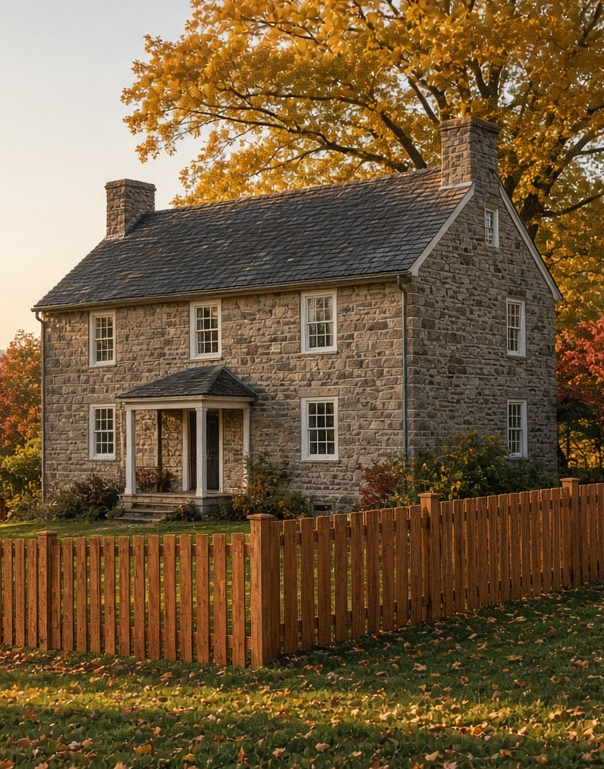
Fall is one of the better times of year to put a fence in around here. The ground is usually workable, the summer heat is gone, and the soil isn’t as soaked as it can be after spring storms. Posts still go in the same way they do any other time of year: deep enough to get below the frost line, which is commonly around 30 to 36 inches in southeast Pennsylvania, with your township’s code having the final word. Our fence lifespan guide explains why that depth matters so much in our freeze-thaw winters.
Why fall works well
- Your lawn and garden take less of a hit. Grass and perennials are heading into dormancy, so foot traffic, post holes, and material drop-off along the line are easier on the yard. By spring, most of it has filled back in.
- You can see the fence line. Once the leaves come down, it’s easier to see property pins, tree roots, low spots, and the view you actually want to block.
- You’re ready for spring. If the goal is a fenced yard for the dog, the kids, or a new patio by the time the weather turns warm, finishing in the fall means it’s already done.
- Paperwork has time to move. Permits, HOA approvals, and the PA One Call (811) request all take time. Starting the process in the fall keeps those steps from stacking up during the busy season.
What about winter?
Winter installs are possible, but the weather decides more of the schedule. A light crust of frozen soil on top usually isn’t a problem. Deep frozen ground, snow cover, and ice are a different story. They slow down digging, make it harder to see utility marks, and can push an install date back a few days or more. Concrete footings also need to be protected from freezing while they cure, so a hard cold snap can mean waiting for a better window.
Some materials also need a little extra care in the cold. Vinyl gets stiffer and less forgiving in low temperatures, so panels are handled carefully during install. If you’re planning to stain or seal a new wood fence, that job usually waits for mild, dry weather anyway. Follow the stain manufacturer’s label for temperature and dry time, since new pressure-treated wood often needs to dry out before it will take a finish.
If you need a fence in the winter, such as for a new puppy, a move-in, or a section that came down in a storm, it’s still worth calling. We’ll tell you honestly what the weather is likely to do to the schedule.
Plan around the paperwork, not just the weather
In our experience, the calendar is set more by approvals than by the season. Most townships and boroughs in Bucks and Montgomery County require a fence permit, and each one runs on its own review timeline. Many HOA communities need board approval on material, color, and height before work starts. Homes in historic districts may add another review step. And Pennsylvania requires an 811 request at least three business days before digging. Our 811 guide covers how that works.
We handle the permit, help with HOA approval, and submit the 811 request as part of the job. Starting early simply gives all of that room to happen without anyone waiting on it.
A few things to do before the ground freezes
- Find your survey or plot plan (it’s often in your closing papers) so the line is clear before anyone digs.
- Check your HOA guidelines if you have them, and get an application started.
- Talk to your neighbors about the fence line, especially on a shared boundary.
- Walk the yard and note gates you’ll need, such as for a mower, a trash can path, or a side yard.
- Look at your existing fence. If posts are already leaning or rotted at the ground line, winter freeze-thaw usually makes it worse, not better.
Thinking about a fence this fall?
Whether you want it in before the holidays or ready to go the first warm week of spring, the first step is the same. Schedule a free on-site estimate, and we’ll walk the line with you, talk through materials and gates, and lay out a realistic timeline for permits, approvals, and install.