How Tall Should a Privacy Fence Be? Choosing the Right Height in Bucks County
“How tall should it be?” is one of the first questions we hear at a privacy fence estimate, and the honest answer is that it depends on what you’re trying to block, how your yard sits, and what your township allows. Six feet is the go-to answer for a reason, but it isn’t always the right one. This guide walks through how we think about privacy fence height on Bucks County and eastern Montgomery County lots, so you can pick a height that actually gives you privacy and still passes the permit review.
Start with what you’re trying to block
Before you pick a number, stand where you’ll actually spend time, like the patio, the hot tub, or the kitchen window, and look at what bothers you. The answer changes the height you need:
- Neighbors walking or standing in their yard: A 6-foot fence on level ground screens most adults standing on the other side.
- People seen while you’re seated: If you mostly want privacy while sitting on a patio, a 5-foot fence, or a 6-foot fence placed closer to the patio, can be enough.
- A neighbor’s raised deck or second-story windows: No legal fence height will fully block a view from above. A well-placed fence section plus trees or a pergola usually does more than a taller fence.
- Headlights and road noise: Headlights sit low, so a solid fence of standard height usually cuts the glare. A fence softens road noise a bit, but it isn’t a sound wall.
- Kids and pets: If containment matters more than privacy, a 4- or 5-foot fence may do the job. Our semi-privacy fence page covers options in between.
The common heights, and what each one does
4 feet
Four feet is a boundary and containment height, not a privacy height. It’s the size most people picture for a front-yard picket or a pool barrier, and in many towns it’s close to the front-yard limit. It keeps small dogs and kids in and marks the line, but adults see right over it.
5 feet
Five feet is a compromise. It screens a seated view and blocks a lot of passing glances, and it feels a little less closed-in than six. It works well for side yards between houses, or when a 6-foot fence would feel like a wall in a small yard.
6 feet
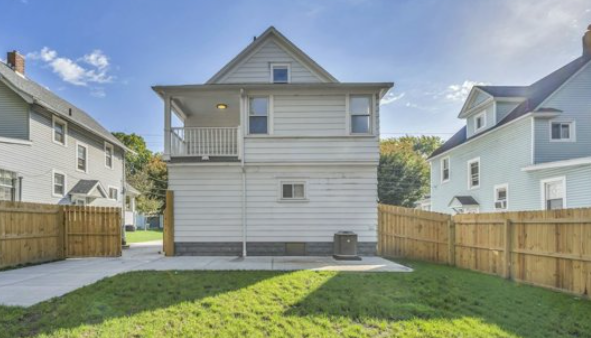
Six feet is the standard backyard privacy height around here, and for most flat lots it does what people want. It’s also the most common maximum we see for side and rear yards, and it’s a stock height for most privacy panels and boards, which keeps material choices wide open in wood, vinyl, and composite.
Taller than 6 feet
Some municipalities allow more height in back yards, and some don’t. Even where taller is allowed, going over six feet can add steps, like a building permit on top of the zoning permit, and it puts more wind load on every post. We only recommend it when there’s a specific view a 6-foot fence can’t handle.
Your township sets the ceiling
Height limits vary a lot from town to town in our area, and they usually differ between front yards and side or rear yards. A few examples from our permit guides:
- Quakertown Borough: 3 feet in the front yard and along street lines, and 6 feet in the side and rear yards. See fence permits in Quakertown Borough.
- Upper Saucon Township: 4 feet in required yard areas, with up to 6 feet in side and rear yards, and a building permit for fences over 6 feet. See fence permits in Upper Saucon Township.
- Horsham Township: Fences over 4 feet are prohibited in the minimum required front yard, and side and rear yards allow up to 6.5 feet, with an openness requirement for anything over 6 feet in a required side or rear setback. See fence permits in Horsham Township.
- Lower Makefield Township: 3 feet in the residential front yard and 7 feet in rear and side yards, with fences 7 feet or taller needing a UCC building permit. See fence permits in Lower Makefield.
- Doylestown Township: Per the Township’s fences and walls guidelines, 6 feet in front yards and 8 feet in side and rear yards. See fence permits in Doylestown Township.
Those are summaries, and ordinances get updated, so always confirm with your own municipality before you build. Corner lots deserve extra attention. Many towns treat both street sides as front yards, so the lower front-yard limit, plus a sight triangle near the intersection, can apply along your side street. HOAs often set their own height and style rules on top of the township’s, and our HOA fencing page explains how we handle those approvals.
Grade changes can make or break the height you pick
A 6-foot fence only gives you six feet of screening if both yards sit at the same level. If your neighbor’s yard is a foot or two higher than yours, they’re looking over a much shorter fence from their side. Bucks County lots roll, drop toward creeks, and sit on graded fill in newer developments, so this comes up all the time.
- Know how height is measured: Codes differ on where fence height is measured from, and on how steps in a stepped fence are treated. Ask your zoning office before you plan to make up grade with extra height.
- Stepped vs. racked: A stepped fence keeps each panel level, so the top line stays even but the bottom leaves triangles on the downhill side. A racked fence follows the ground. Our guide to fencing a sloped yard explains both.
- Placement matters: Sometimes moving the fence line a few feet to higher ground, where setbacks allow, does more for privacy than adding height.
Lattice tops and toppers
A lattice top is a popular way to finish a privacy fence. It softens the look, lets some light and air through at the top, and gives climbing plants something to hold. Many people pick a solid fence with a short lattice band so the overall fence reaches the height they want without looking like a solid wall. Just remember that a lattice topper is part of the fence. In most cases, plan on the total height, including lattice, post caps, and any decorative toppers, needing to fit under your municipality’s limit. Confirm how your town measures it.
Taller fences and wind
A solid privacy fence catches wind like a sail, and every extra foot adds more load to the posts. That’s why post depth, post spacing, and how the posts are set matter more as the fence gets taller, especially on open lots and hilltops. If you’re leaning toward vinyl, read our guide on vinyl privacy fences in high winds.
Ways to get more privacy without going taller
- Fence closer to where you sit: A short run of 6-foot fence near the patio, where setbacks allow, blocks more of the view than the same fence at the far property line.
- Add plantings: Evergreens or tall grasses behind a 5- or 6-foot fence fill in the view from a deck or window over time.
- Add a pergola or screen panels: Overhead or freestanding screens near the patio can block a view from above that no fence can.
- Pick a tighter style: Solid or board-on-board styles block more than spaced pickets or open horizontal designs. Our privacy fence page compares styles.
Whatever height you choose, talk to your neighbors first, especially if the fence will run right along a shared line. Our good-neighbor fence tips cover how to start that conversation.
Frequently asked questions
Is a 6-foot privacy fence tall enough?
For most level backyards, yes. It screens most people standing in the next yard. It won’t block views from a raised deck or upstairs window, and it gives less screening if the neighbor’s yard sits higher than yours.
Can I add lattice to go over the height limit?
Usually not. Plan on the lattice counting toward the total height, and check how your municipality measures fences before you design around it.
Do I need a permit for a 6-foot privacy fence?
In many municipalities in our area, yes, and some require a permit for any fence. The rules vary, which is why our fence permits service checks your town’s requirements before we quote.
Can I build a taller fence in my backyard than in my front yard?
Almost always. Front-yard limits are typically lower so drivers and walkers can see, and some towns don’t allow front-yard fences at all. Corner lots can have two front yards, so check both street sides.
Get the height right the first time
The best height is the one that blocks what bugs you, fits your yard’s grade, and passes your township and HOA. At a free on-site estimate, we’ll stand where you sit, look at the grade along the fence line, check your municipality’s limits, and show you what 5 or 6 feet will actually block. Request your estimate through our contact page, or call our Doylestown office at 215-602-4334.